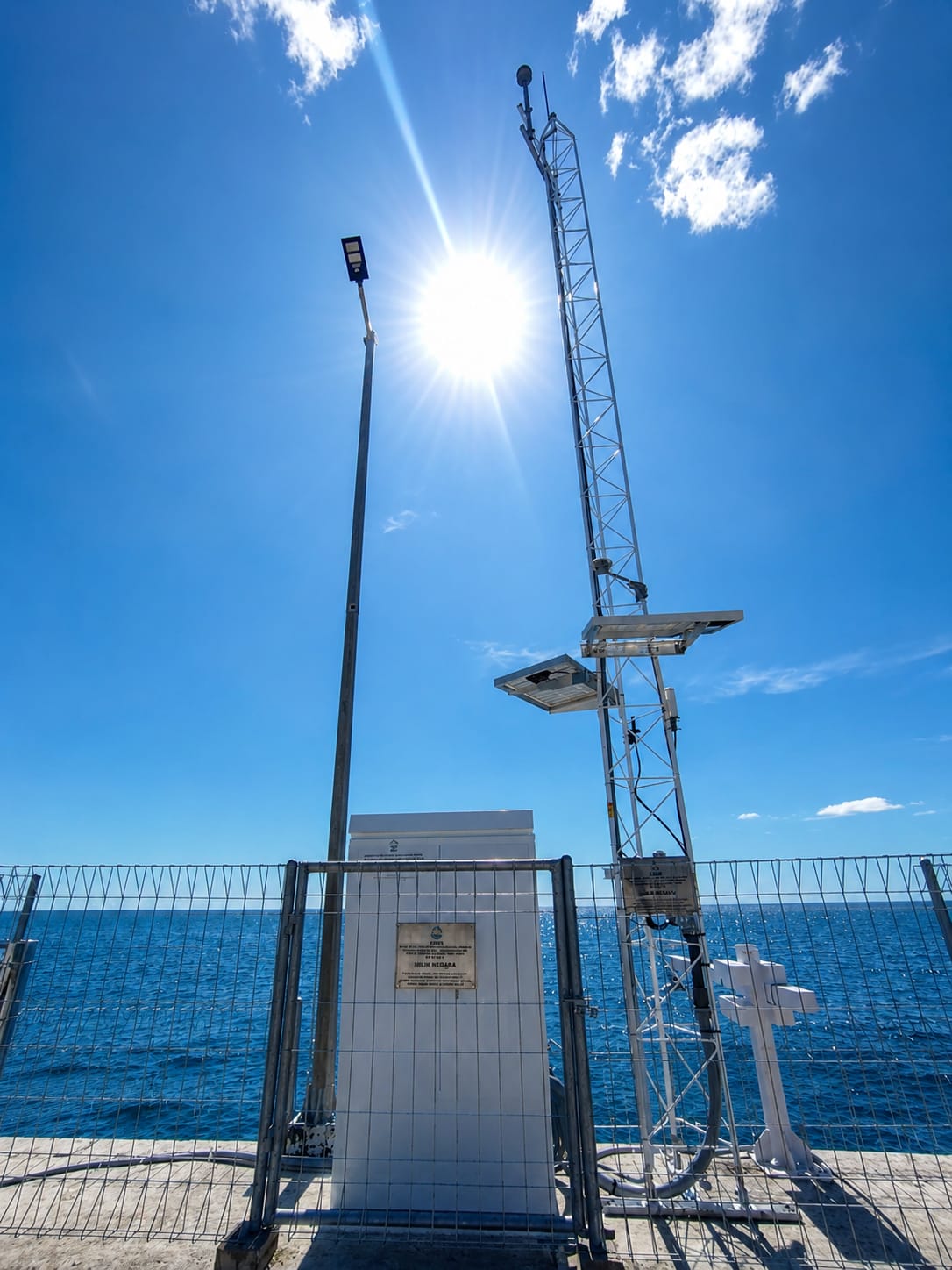
As the world's largest archipelagic nation, Indonesia relies on accurate and reliable marine meteorological information to support safe navigation, coastal activities, fisheries, maritime transportation, and disaster preparedness. Recognizing the growing importance of maritime weather intelligence, the Indonesian Agency for Meteorology, Climatology, and Geophysics (BMKG) launched the Maritime Meteorological System (MMS) Project—an ambitious initiative designed to modernize the country's marine observation and forecasting capabilities.
The MMS Project represents one of Indonesia's most comprehensive marine meteorology programs, integrating a nationwide network of observation systems with advanced forecasting technologies. The project includes the deployment of approximately 200 observation instruments, including tide gauges, meteorological stations, oceanographic floats, drifting buoys, and other monitoring equipment. Complementing these field systems are a High-Performance Computing (HPC) center, a Disaster Recovery Center, forecasting and data dissemination platforms, and extensive knowledge transfer and training programs to strengthen BMKG's operational capabilities.
To deliver this large-scale initiative, BMKG collaborated with CLS, a global leader in environmental monitoring and Earth observation solutions. As the project's principal technology provider, CLS brought together an international consortium of experts and partners to develop and implement an integrated marine meteorological system tailored to Indonesia's unique geographical and operational requirements.
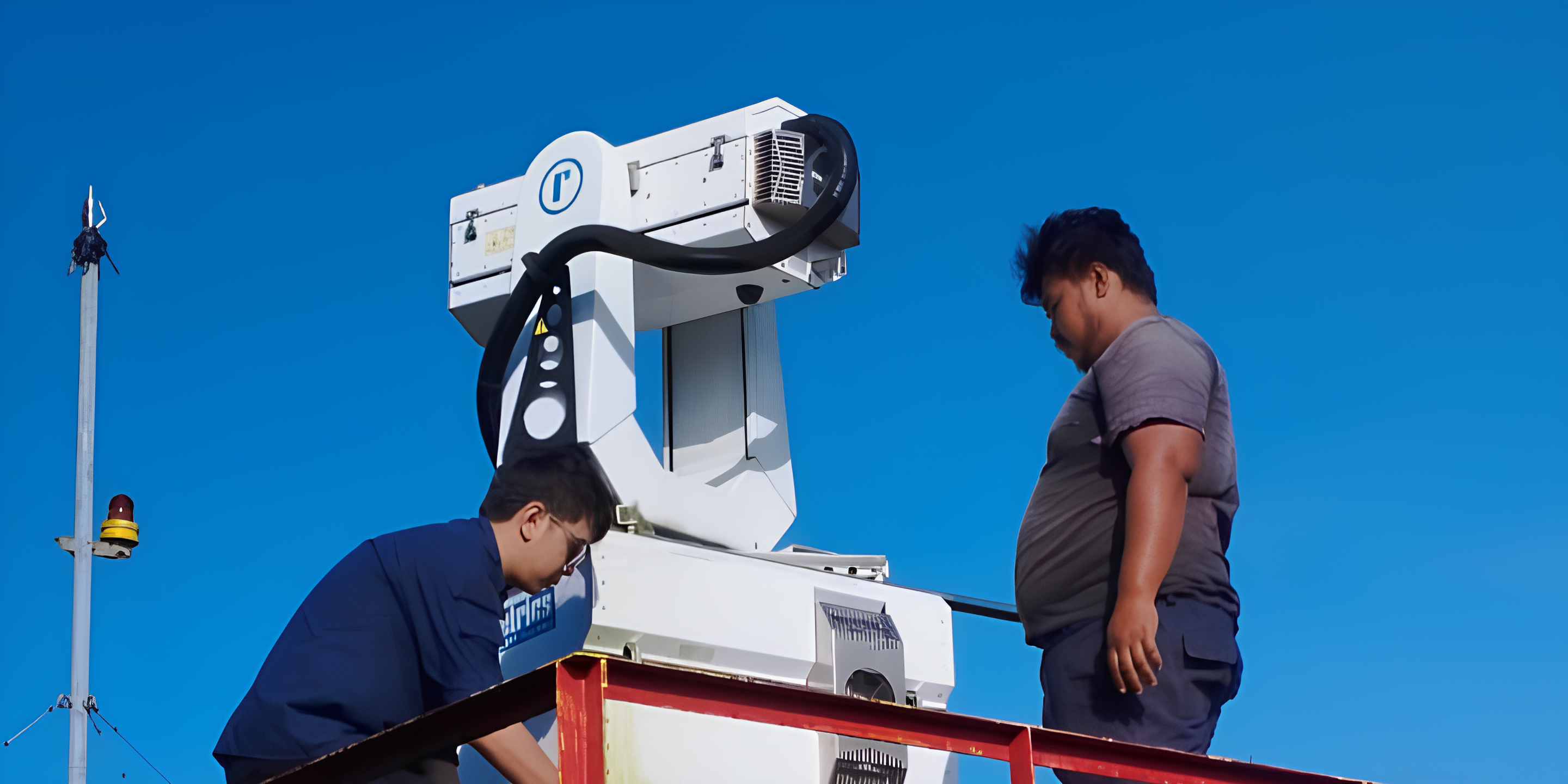
As a strategic local partner, SIBAKOM played an essential role in supporting the successful implementation of the MMS Project across Indonesia. Leveraging its expertise in system integration and meteorological infrastructure, SIBAKOM contributed to the deployment, installation, integration, and commissioning of various marine meteorological observation systems. Working closely with CLS, BMKG, and other project stakeholders, SIBAKOM helped ensure that each system was installed and integrated in accordance with operational and technical requirements.
Implementing the MMS Project required extensive field operations across Indonesia's diverse coastal and maritime environments. From remote coastal areas to strategic maritime locations, each deployment demanded careful planning, technical precision, and close coordination among all project partners. Through its local knowledge, experienced engineering team, and strong implementation capabilities, SIBAKOM supported the smooth execution of installation activities while maintaining high standards of quality, safety, and operational reliability.
Once fully operational, the MMS Project will significantly enhance Indonesia's ability to monitor oceanic and atmospheric conditions in near real time, providing more accurate forecasts and timely weather information for maritime stakeholders. These capabilities are expected to improve navigational safety, strengthen disaster preparedness, support fisheries and port operations, and contribute to the sustainable development of Indonesia's maritime economy.
The collaboration between CLS and SIBAKOM demonstrates how global technological expertise and local implementation capabilities can work together to deliver complex national infrastructure projects. Through its involvement in the MMS Project, SIBAKOM reaffirms its commitment to supporting Indonesia's meteorological modernization by delivering reliable system integration, installation services, and technical expertise for mission-critical environmental monitoring solutions.