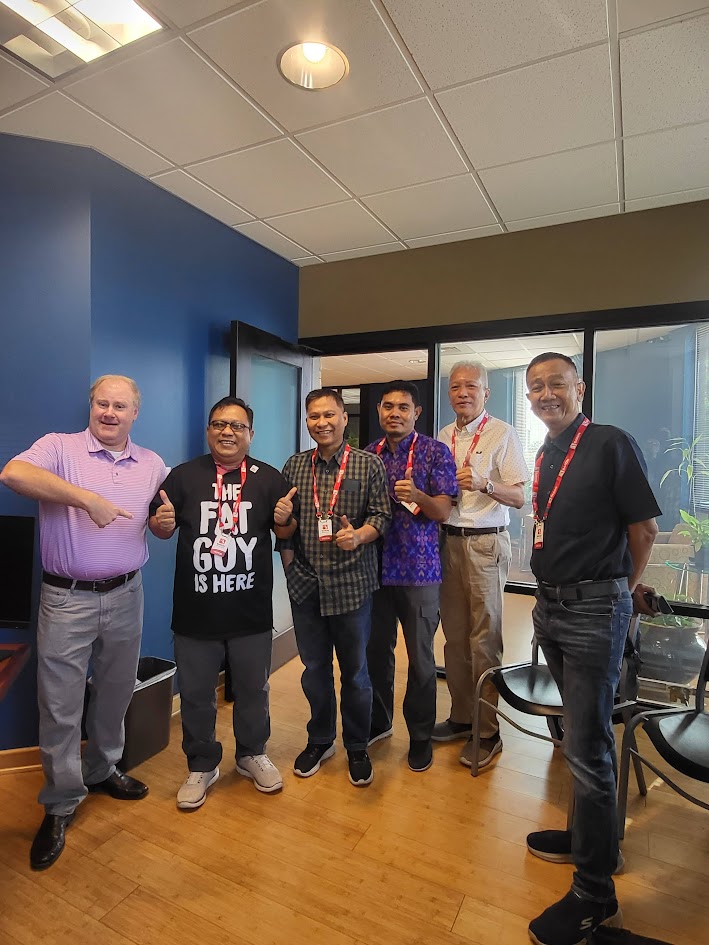
In a significant milestone for Indonesia's meteorological infrastructure, a delegation from the Badan Meteorologi, Klimatologi, dan Geofisika (BMKG) recently completed a comprehensive Factory Acceptance Test (FAT) and intensive technical training program in Huntsville, Alabama. Facilitated by PT Sibakom, this initiative marks a critical step in the deployment of the state-of-the-art Baron Gen3 Weather Radar system destined for Surabaya.
Comprehensive Operational Readiness The program, which took place in September 2024, brought together a specialized team of experts from BMKG Juanda, BMKG Jakarta, and BBMKG Wilayah III Denpasar. The rigorous training schedule was segmented into specialized tracks-covering FAT procedures, technician-level maintenance, and forecaster-specific advanced analysis-ensuring that the incoming radar system is supported by a fully capable local team. The FAT serves as the definitive assurance that the hardware and software meet the stringent performance requirements for weather monitoring in the Surabaya region. By undergoing these tests in the factory environment, the team gained an intimate understanding of the radar's performance under controlled, high-precision conditions.

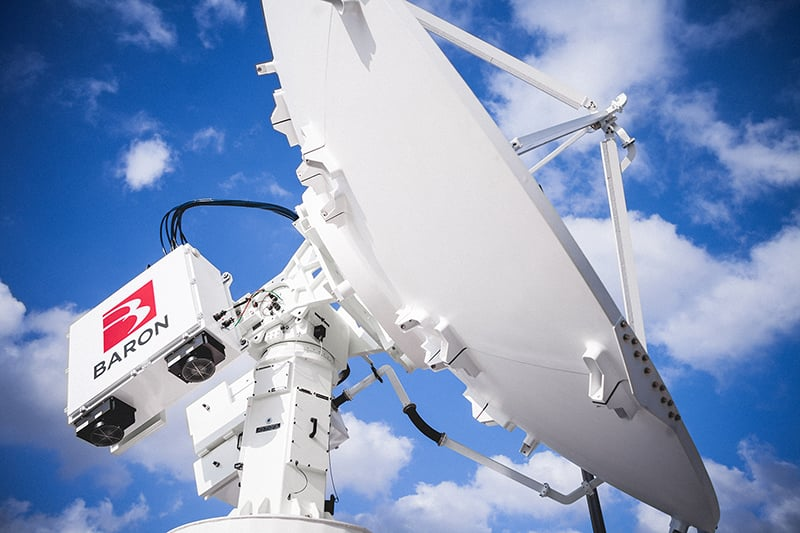
Advanced Technological Capabilities The Baron Gen3 Radar represents a robust upgrade for weather monitoring, offering a suite of analytical tools designed to detect and characterize atmospheric phenomena with unprecedented detail. The training curriculum highlighted several core capabilities essential for modern meteorology:
- Precision Data Analysis: The system provides full 3D volumetric imagery, allowing meteorologists to visualize storms and precipitation from multiple perspectives.
- Dual-Polarization Intelligence: By utilizing differential reflectivity (ZDR) and differential phase, the system can distinguish between types of precipitation-accurately identifying the shape, size, and orientation of particles like rain, snow, or hail.
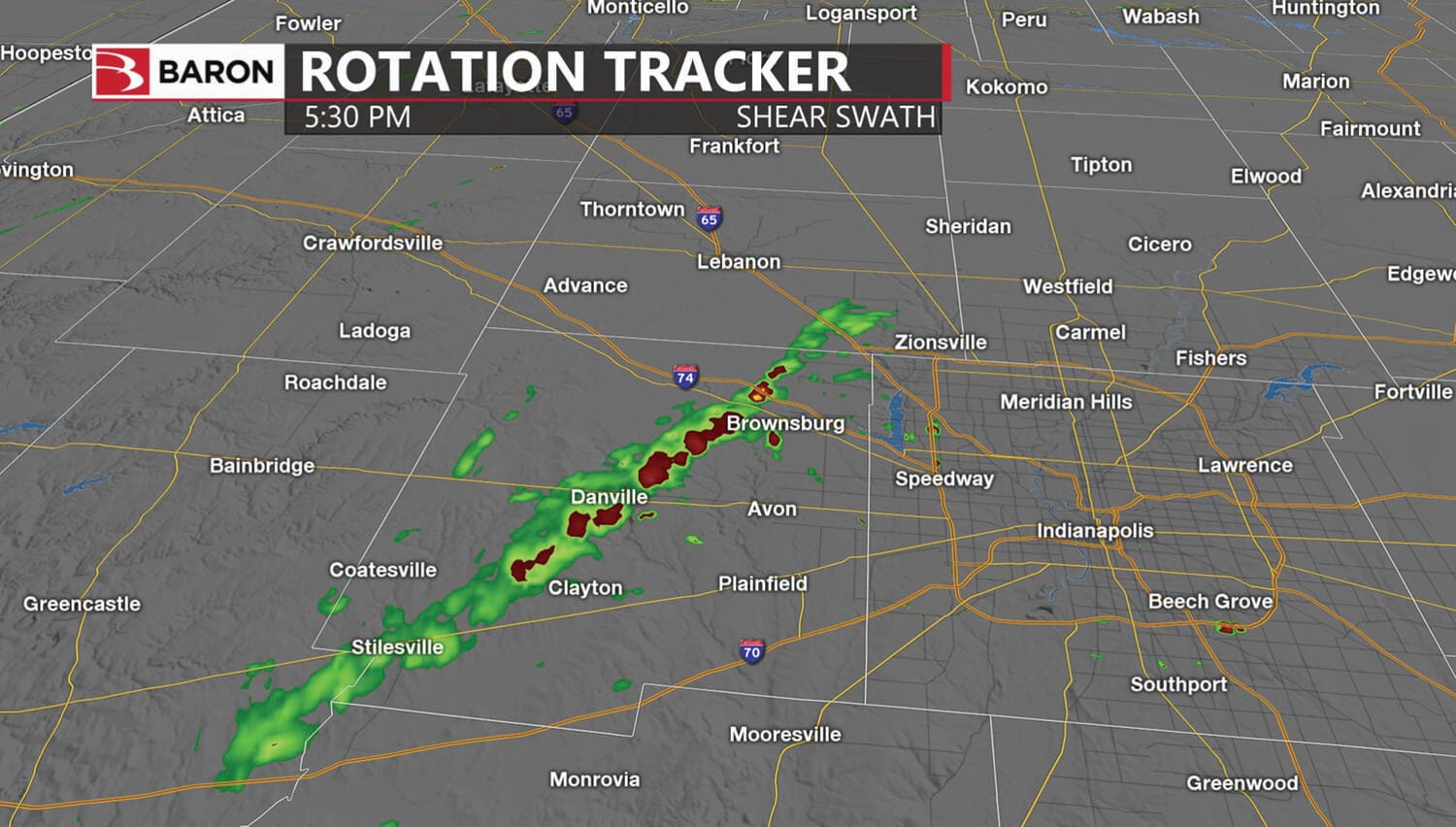
- Severe Weather Detection: The radar is equipped with automated detection for severe weather indicators, including Tornadic Vortex Signatures (TVS), hail indices, and wind shear. These features are critical for timely, life-saving public alerts.
- Hydrological Monitoring: For water resource management and flood preparedness, the radar utilizes Vertically Integrated Liquid (VIL) measurements and advanced algorithms to calculate surface rainfall intensity and accumulation, providing vital data for disaster mitigation.
Mastering the Hardware Ecosystem Beyond the analytical software, the participants completed in-depth training on the radar's physical infrastructure. The system is a complex integration of mechanical and electronic components, and the training ensured the team could manage the entire lifecycle of the equipment. Key areas of focus included:
- Signal Processing & Amplification: Training covered critical components like the Low Noise Amplifier (LNA), STALO, and frequency converters, which ensure the radar can capture weak atmospheric signals without interference.
- Motion Control: The team mastered the mechanical aspects of the system, including the rotary joints, azimuth/elevation motors, and encoder sensors, which dictate the radar’s scanning precision.
- System Maintenance: A vital part of the training involved the use of specialized measurement tools-including RF analyzers, power meters, and spectrum analyzers-to monitor system health, perform calibrations, and identify potential issues before they impact data quality.
Strengthening Meteorological Resilience The successful completion of the FAT and the subsequent training program is more than just a procurement milestone; it is an investment in regional safety. With the Baron Gen3 radar, BMKG will possess a sophisticated tool capable of tracking complex storm structures and wind patterns in real-time. As the system transitions from the factory in Alabama to its final installation in Surabaya, the expertise gained by the BMKG participants ensures that the radar will be operated and maintained at peak performance. This initiative, delivered by PT Sibakom, underscores a commitment to enhancing the accuracy of weather forecasting and strengthening the resilience of Indonesian communities against the challenges of a dynamic climate.